


“Ami Asomia NGO is a movement of love, resilience, and hope for Assam. Through literature, education, environmental efforts, awareness campaigns and humanitarian aid, we uplift communities and preserve culture. Every project whether planting trees, guiding students, or aiding flood victims carries the heartbeat of Assam forward, building a stronger, brighter future.”
আমি অসমীয়া – মোৰ অসম, মোৰ স্বাভিমান
FLAGSHIP PROJECTS & MAJOR INITIATIVES
From Vision to Ground-Level Action
Ami Asomia’s flagship initiatives are designed around real community needs and implemented through close engagement with local stakeholders. Each initiative reflects the organisation’s core philosophy of participation, dignity, and sustainability.
1. Ami Asomia Bilingual eMagazine
Past Initiative | Digital Literature & Cultural Preservation
In the early 2010s, Assamese digital literature was still emerging, with limited online platforms available for indigenous writers and poets. While print literature had a strong tradition, opportunities to publish and engage audiences digitally especially in a bilingual format were scarce. At the same time, the growing reach of the internet presented new possibilities for cultural expression and wider dissemination of regional literature.
To address this gap, Ami Asomia initiated the Ami Asomia Bilingual eMagazine, positioning it as one of Assam’s early digital platforms dedicated to literary and cultural content in both Assamese and English.
Objectives
The initiative was launched with the following objectives:
- To promote Assamese literature through a digital medium
- To provide a publishing platform for indigenous writers and poets
- To encourage young and emerging writers to express themselves confidently
- To expand the reach of regional literature through bilingual publication
- To strengthen Assamese cultural presence in the digital space
Key Activities & Implementation
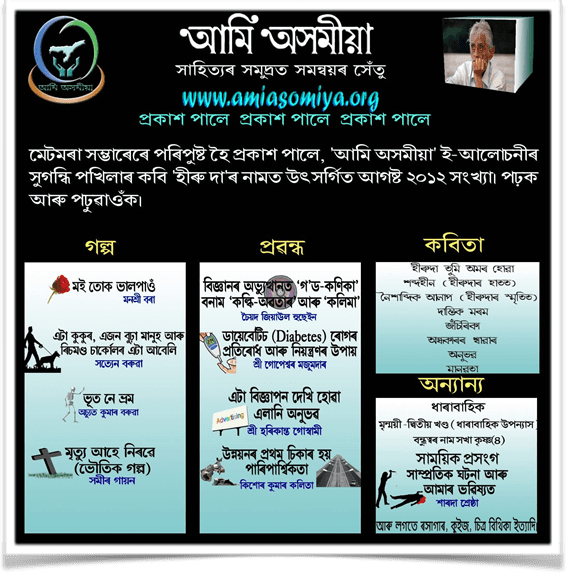
The eMagazine functioned as an online publication featuring poems, short stories, essays, and literary reflections. Content was curated with editorial oversight to ensure quality, originality, and cultural relevance. Special emphasis was placed on maintaining a balance between traditional literary themes and contemporary social perspectives.
By adopting a bilingual format, the platform connected Assamese literary voices with a broader readership, including readers who were more comfortable engaging in English.
Community Engagement & Participation
Writers, poets, and readers from across Assam actively participated in the initiative. The platform encouraged submissions from diverse backgrounds, fostering inclusivity and literary exchange. Over time, the eMagazine developed into a collaborative digital space that nurtured creativity and dialogue among contributors and readers.
Outcomes & Significance
Between 2011 and 2015, the Ami Asomia Bilingual eMagazine gained steady readership and recognition as one of Assam’s early digital literary initiatives. It contributed to increased acceptance of online literary platforms and boosted confidence among first-time writers.
The project demonstrated the potential of digital media in preserving and promoting indigenous literature. The learnings from this initiative later influenced Ami Asomia’s broader work in digital awareness, language preservation, and community-based cultural engagement.
2. Project UNICODE
Past Initiative | Digital Language Preservation & Accessibility
As digital communication expanded rapidly across India, the use of regional languages on computers, mobile devices, and online platforms became increasingly important. In Assam, the absence of standardised Assamese script usage in digital spaces posed a challenge to accessibility, consistency, and long-term preservation of the language. Many users relied on non-standard fonts, which limited compatibility across platforms and restricted wider adoption.
Recognising this challenge, Ami Asomia initiated Project UNICODE as a focused effort to promote the adoption of Unicode-compliant Assamese script and to raise awareness about its importance for digital inclusion and linguistic preservation.
Objectives
Project UNICODE was designed with the following objectives:
- To promote standardised use of Assamese script through Unicode
- To improve digital accessibility and compatibility across platforms
- To create awareness among students, educators, writers, and digital users
- To contribute to the long-term preservation of Assamese language in digital form
- To support a smooth transition from legacy fonts to Unicode-based systems
Key Activities & Implementation
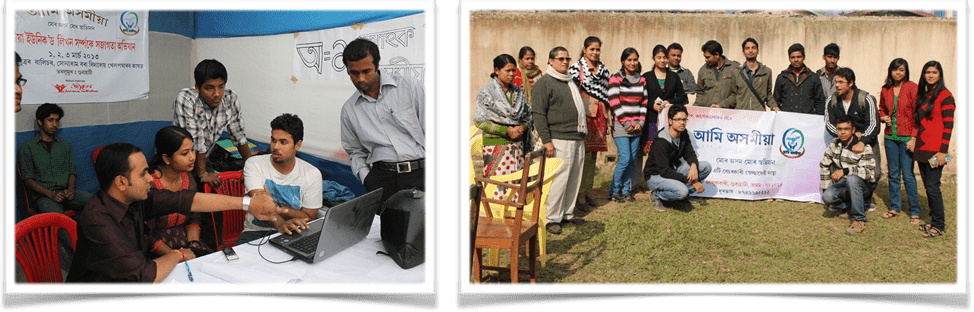
The initiative was implemented through awareness camps, workshops, and seminars conducted at different locations across Assam. These sessions focused on explaining the importance of Unicode standards and demonstrating practical methods for using Assamese Unicode scripts in everyday digital activities.
Key activities included:
- Awareness sessions on the limitations of non-Unicode fonts
- Demonstrations of Unicode typing tools and layouts
- Guidance on migrating existing digital content to Unicode format
- Interaction with students, educators, and content creators
Community Engagement & Participation
Project UNICODE witnessed active participation from students, teachers, writers, journalists, and digital content creators. By engaging directly with end users, the initiative helped address common misconceptions and technical barriers associated with Unicode adoption.
The interactive nature of the sessions encouraged dialogue, questions, and peer learning, strengthening acceptance at the community level.
Outcomes & Significance
Project UNICODE played a meaningful role in increasing awareness about the importance of standardised digital language practices. Participants became more confident in using Assamese Unicode across digital platforms, contributing to greater consistency and accessibility.
The initiative highlighted the critical link between language, technology, and cultural preservation. It reinforced Ami Asomia’s commitment to safeguarding Assamese identity while embracing digital progress, and it laid a foundation for future language-focused digital initiatives.
3. Project INDRDHANU
Past Initiative | Art, Craft & Creative Development
Art and craft have long been integral to Assam’s cultural identity, reflecting tradition, creativity, and community expression. However, opportunities for structured artistic engagement especially for school students and local artisans remain limited, particularly outside urban centers. Many talented individuals lack platforms to showcase their skills, learn collaboratively, or receive encouragement to pursue creative interests.
To address this gap, Ami Asomia initiated Project INDRDHANU as an inclusive art and craft initiative aimed at nurturing creativity, promoting cultural expression, and supporting skilled artisans and young learners.
Objectives
The key objectives of Project INDRDHANU were:
- To encourage creative expression among school students
- To support and promote local artists and artisans
- To provide platforms for showcasing art and craft skills
- To foster appreciation of cultural diversity and traditional art forms
- To integrate creativity into community and educational spaces
Key Activities & Implementation
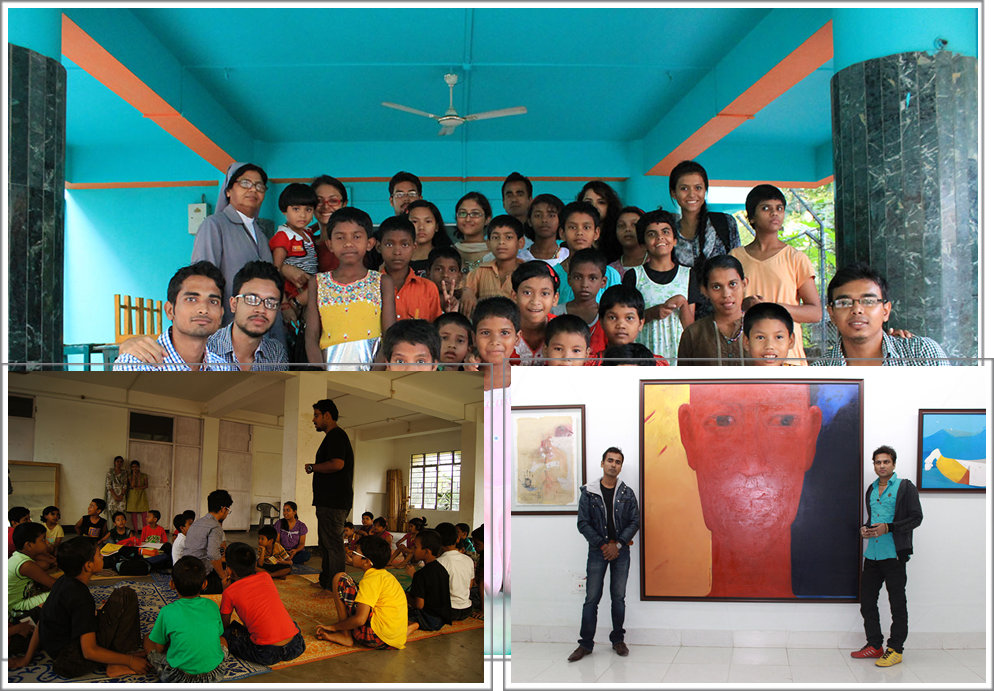
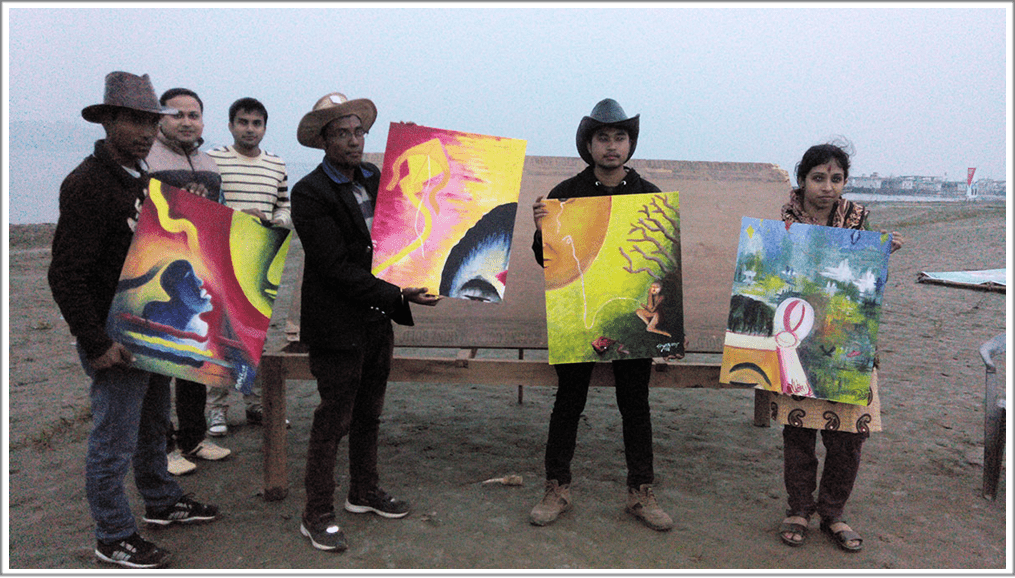
Project INDRDHANU was implemented through a series of art and craft competitions, workshops, and cultural events. These activities were designed to be participatory, inclusive, and educational rather than purely competitive.
Key components included:
- Art and craft competitions for school students
- Workshops conducted by skilled artisans and artists
- Cultural programs highlighting local creative traditions
- Interactive sessions encouraging experimentation and learning
The initiative focused on hands-on engagement, allowing participants to learn through practice while interacting with peers and mentors.
Community Engagement & Participation
Students, teachers, artists, artisans, and community members actively participated in Project INDRDHANU. Schools played an important role by encouraging student involvement, while local artisans contributed by sharing skills and experiences.
The initiative created a collaborative environment where creativity was celebrated and cultural exchange was encouraged across age groups and backgrounds.
Outcomes & Significance
Project INDRDHANU helped create greater awareness about the value of art and craft in personal development and cultural preservation. Students gained confidence in expressing creativity, while artisans received recognition and engagement opportunities within the community.
The project reinforced the idea that cultural initiatives can serve as powerful tools for inclusion, learning, and social cohesion. For Ami Asomia, Project INDRDHANU represents a meaningful step toward integrating creativity and cultural pride into community development efforts.
4. Project XOHAYOR HAATH
Ongoing Initiative | Disaster Relief & Humanitarian Support
Assam is highly vulnerable to seasonal floods, which regularly disrupt lives, livelihoods, and access to basic necessities. Flood-affected communities often face immediate shortages of food, clothing, and essential supplies, particularly during the early days of displacement. In such situations, timely community-based relief plays a crucial role in reducing hardship and restoring a sense of security.
In response to recurring flood emergencies, Ami Asomia initiated Project XOHAYOR HAATH as a humanitarian relief effort aimed at supporting flood-affected communities across Assam. The project was grounded in compassion, urgency, and community solidarity.
Objectives
Project XOHAYOR HAATH was undertaken with the following objectives:
- To provide immediate relief to flood-affected families
- To support access to essential food and basic necessities during emergencies
- To assist vulnerable populations with clothing and daily-use items
- To complement local relief efforts through community participation
- To uphold dignity and sensitivity in humanitarian response
Key Activities & Implementation
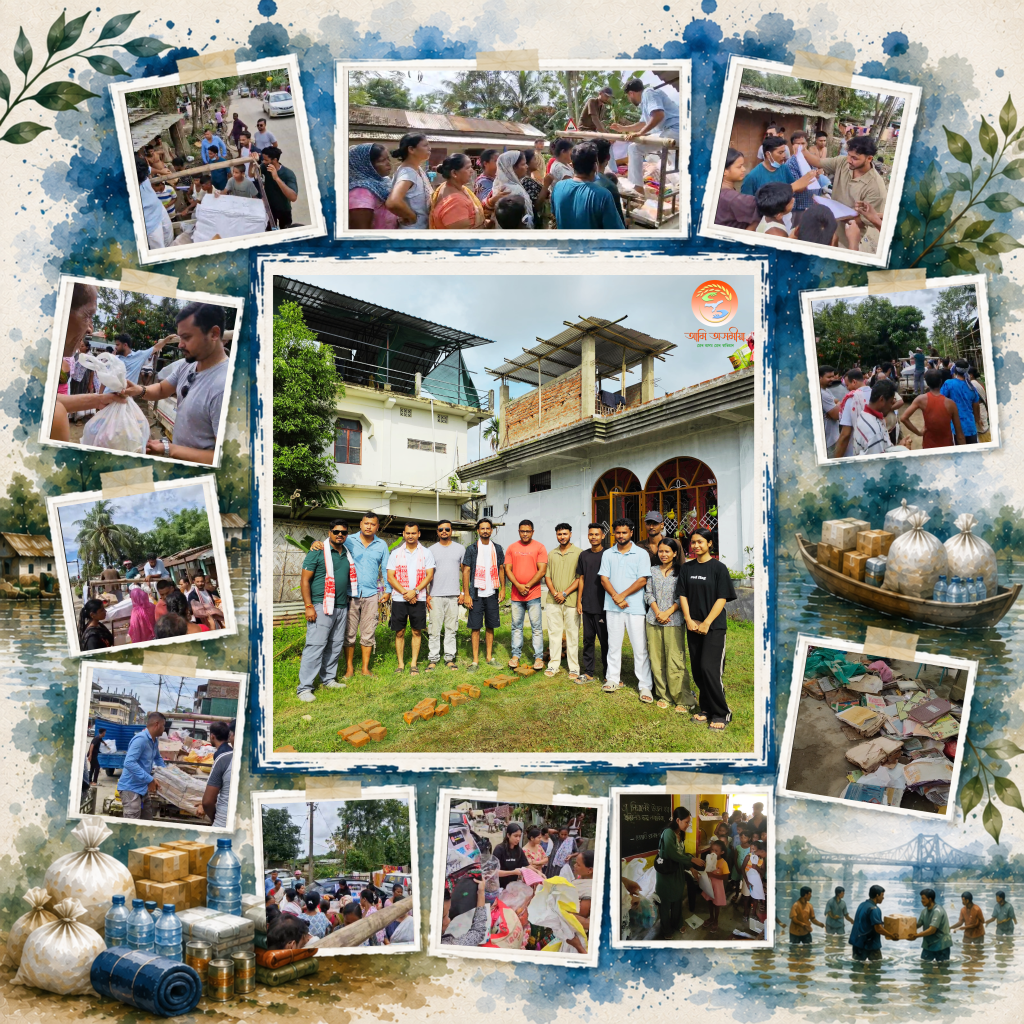
The initiative focused on the distribution of essential relief materials, including dry food items, clothing, and basic supplies required for daily living. Activities were carried out in flood-affected areas identified through local coordination and community inputs.
Key implementation elements included:
- Collection and organisation of relief materials
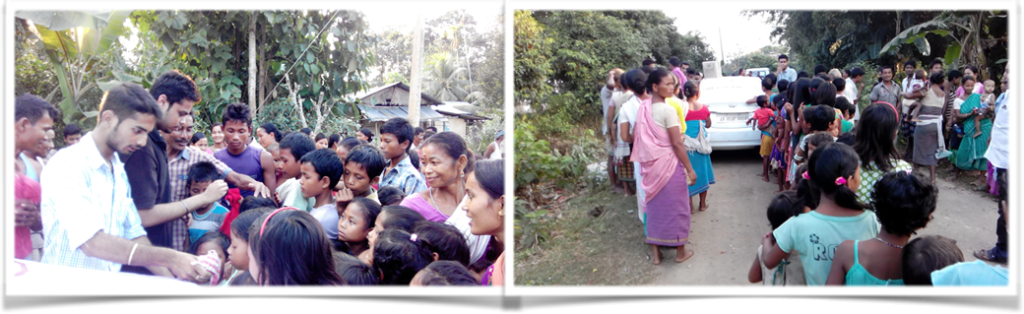
- Distribution of dry food and essential supplies to affected households
- Provision of clothing and basic necessities to families in need
- Coordination with local volunteers and community members
The approach prioritised quick response, fairness in distribution, and respectful engagement with beneficiaries.
Community Engagement & Participation
Local volunteers and community members played a vital role in the successful implementation of Project XOHAYOR HAATH. Their involvement helped ensure accurate identification of affected families and smooth distribution of relief materials.
Community participation also strengthened trust and cooperation, enabling the initiative to reach those most in need during challenging circumstances.
Outcomes & Significance
Project XOHAYOR HAATH provided timely support to flood-affected communities and contributed to easing immediate hardship during crisis situations. Beyond material assistance, the initiative reinforced the importance of collective responsibility and compassion in times of disaster.
For Ami Asomia, this project highlighted the organisation’s capacity to respond swiftly and responsibly during emergencies. The experience strengthened its understanding of humanitarian response, coordination, and the importance of community-led relief efforts.
5. Project SNEH
Ongoing Initiative | Community Care & Compassionate Support
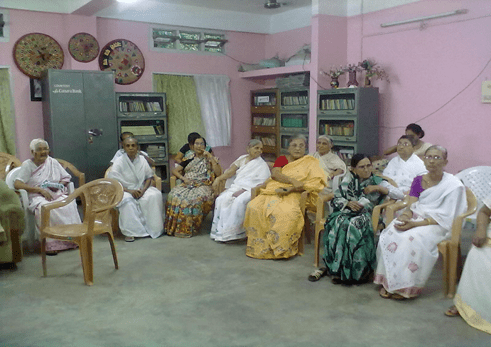
Communities often face situations where individuals and families require immediate care, emotional support, and basic assistance due to social, economic, or situational vulnerabilities. In such contexts, structured community care initiatives play a vital role in extending timely support while preserving dignity and trust.
Project SNEH was initiated by Ami Asomia as a compassionate community support initiative aimed at reaching individuals and families in need through care-oriented engagement. The project was guided by the belief that empathy, presence, and collective responsibility are essential components of meaningful social support.
Objectives
Project SNEH was undertaken with the following objectives:
- To extend care and support to vulnerable individuals and families
- To respond sensitively to immediate needs through community-based assistance
- To promote compassion, solidarity, and social responsibility
- To strengthen trust and connection between communities and support networks
- To ensure dignity and respect in all forms of assistance
Key Activities & Implementation
The project focused on identifying needs at the community level and responding through supportive actions. Activities were carried out with discretion and sensitivity, ensuring that assistance remained respectful and non-intrusive.
Key activities included:
- Community outreach to identify individuals and families requiring support
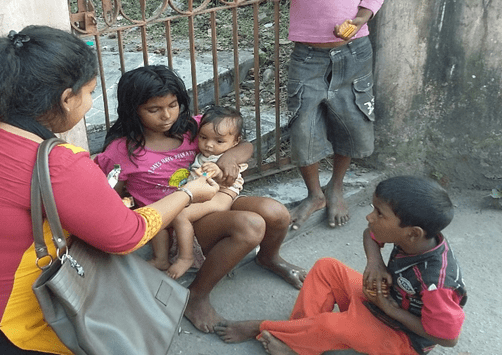
- Distribution of essential items based on situational needs
- Engagement with families through direct interaction and reassurance
- Coordination with volunteers to ensure timely and organised support
Rather than adopting a one-time intervention model, the project emphasised presence, empathy, and responsiveness.
Community Engagement & Participation
Volunteers and community members played an important role in the implementation of Project SNEH. Their familiarity with local contexts helped in identifying needs accurately and delivering support effectively.
Community participation ensured that assistance was culturally appropriate and aligned with local sensitivities, reinforcing trust between the organisation and beneficiaries.
Outcomes & Significance
Project SNEH contributed to addressing immediate needs while fostering a sense of care and solidarity within communities. The initiative highlighted the importance of compassion-driven action alongside structured social interventions.
For Ami Asomia, Project SNEH strengthened its experience in community care initiatives and reinforced the value of empathy, discretion, and dignity in social work. The project remains a meaningful example of how human connection and organised support can create positive social impact.
6. Project MCQ GUIDANCE
Past Initiative | DIGITAL EDUCATION & COMPETITIVE EXAM PREPARATION
Access to reliable study resources and structured guidance remains a major challenge for many aspirants preparing for competitive examinations, particularly those from non-urban backgrounds. The abundance of scattered information, lack of exam-oriented analysis, and limited mentorship opportunities often make preparation difficult and overwhelming for students.
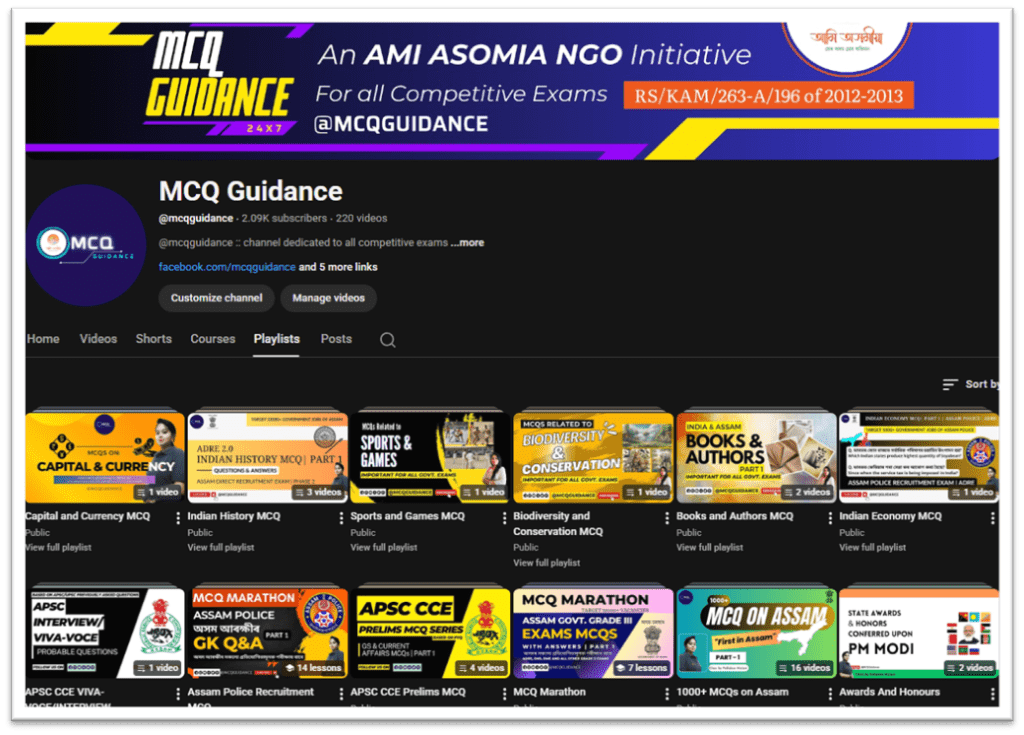
To address this gap, Ami Asomia initiated Project MCQ Guidance as a digital learning initiative through a dedicated YouTube channel focused on providing accurate, research-based content for competitive exam aspirants.
Objectives
The key objectives of Project MCQ Guidance were:
- To provide well-researched multiple-choice questions across diverse subjects
- To offer accurate and updated information relevant to competitive examinations
- To guide aspirants with preparation strategies and exam-oriented learning methods
- To support structured preparation for government and public service examinations
- To promote accessible and inclusive digital learning resources
KEY ACTIVITIES & IMPLEMENTATION
Project MCQ Guidance was implemented through regularly published educational content designed to be informative, analytical, and accessible to learners preparing for competitive exams.
Key components included:
- MCQs developed through detailed research across multiple subjects
- Latest updates and accurate information relevant to exam preparation
- Exam preparation tips, strategies, and study approaches
- Previous year question practice and exam analysis sessions
- Dedicated preparation support for Assam Public Service Commission (APSC) Preliminary and Main examinations
- GS mind maps to support conceptual clarity and structured revision
The initiative emphasized clarity, accuracy, and exam relevance, enabling aspirants to strengthen conceptual understanding while practicing exam-oriented problem-solving.
COMMUNITY ENGAGEMENT & PARTICIPATION
Students and competitive exam aspirants actively engage with Project MCQ Guidance through digital learning participation, practice sessions, and interactive content. The platform creates an accessible learning environment where aspirants can prepare systematically regardless of geographical limitations.
Through consistent educational support, the initiative fosters a community of learners focused on knowledge-sharing, preparation discipline, and academic growth.
OUTCOMES & SIGNIFICANCE
Project MCQ Guidance has contributed to improved access to structured exam preparation resources and reliable information for aspirants. Learners benefit from organized study materials, analytical practice, and updated exam guidance that supports informed and strategic preparation.
The initiative demonstrates the role of digital platforms in expanding educational access and empowering students through knowledge-based support systems. For Ami Asomia, Project MCQ Guidance represents a significant step toward strengthening educational inclusion and capacity-building through technology-driven learning initiatives.
7. Project SEUJI UPARAAM
ONGOING Initiative | ENVIRONMENTAL SUSTAINABILITY & COMMUNITY GREENING
Environmental sustainability has become an urgent priority in Assam, where rapid urbanization, waste accumulation, and declining green cover increasingly affect ecological balance and community well-being. While awareness about environmental protection is growing, structured opportunities for community-driven green action especially involving youth and local residents remain limited in many areas.
To address this need, Ami Asomia launched Project Seuji Uparaam as a Greener Earth initiative focused on promoting environmental responsibility, expanding green spaces, and encouraging sustainable practices through community participation.
Objectives
The key objectives of Project Seuji Uparaam were:
- To promote environmental awareness and sustainable living practices
- To encourage tree plantation and green space development
- To engage students and community members in eco-friendly initiatives
- To support collective responsibility toward environmental conservation
- To integrate sustainability into community and educational activities
Key Activities & Implementation
Project Seuji Uparaam was implemented through a range of environmental activities designed to be participatory, practical, and community-oriented.
Key components included:
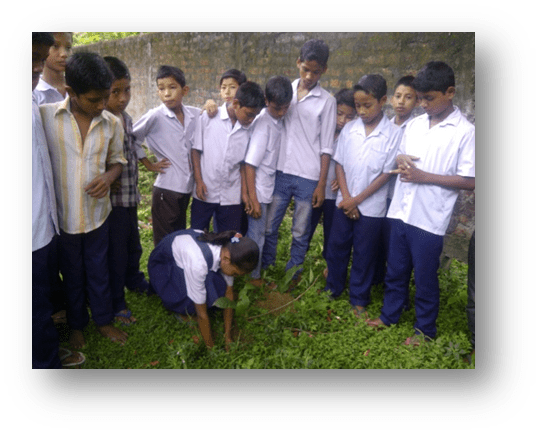
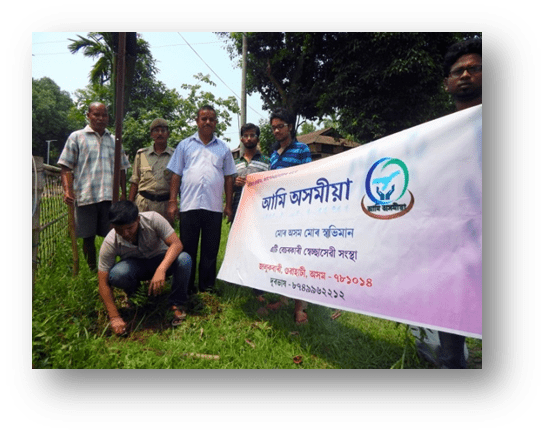
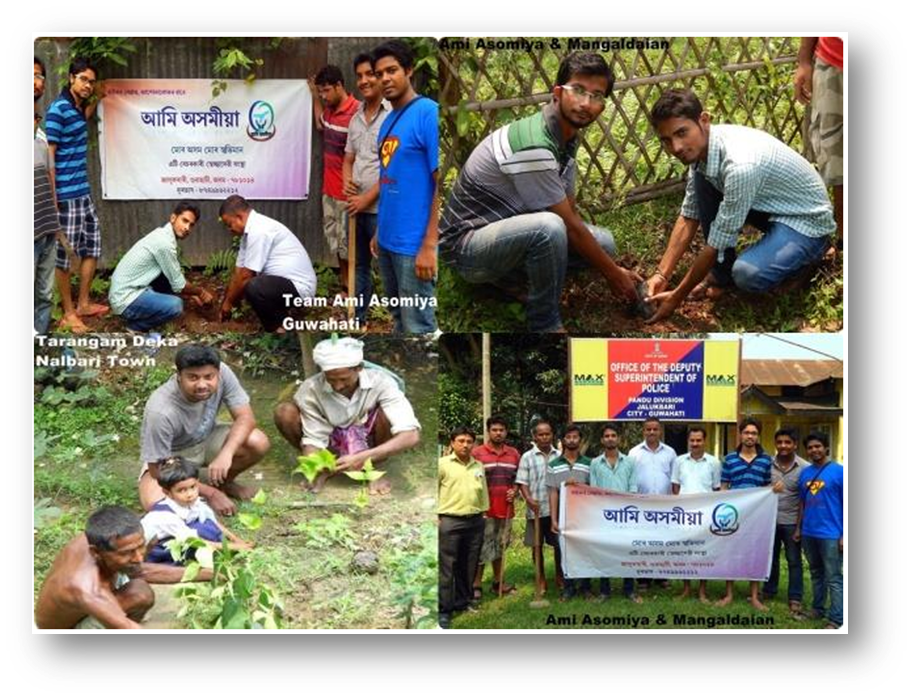
- Tree plantation drives in community and educational spaces
- Environmental awareness campaigns and interactive sessions
- Cleanliness and waste reduction initiatives
- Community participation programs promoting eco-friendly habits
- Educational engagements encouraging youth involvement in sustainability
The initiative emphasized hands-on participation, enabling individuals to contribute directly to environmental improvement while learning practical conservation practices.
Community Engagement & Participation
Students, educators, volunteers, and community members actively participated in Project Seuji Uparaam. Schools and local groups played a vital role by mobilizing participation, while volunteers helped coordinate plantation and awareness activities.
The initiative fostered a sense of shared responsibility, encouraging individuals from diverse backgrounds to collaborate in building a greener and healthier environment.
Outcomes & Significance
Project Seuji Uparaam contributed to increased environmental awareness and community involvement in sustainability efforts. Participants developed a stronger understanding of ecological responsibility, while local areas benefited from enhanced green cover and improved environmental practices.
The initiative demonstrated that community-led environmental action can be a powerful driver of social responsibility, awareness, and long-term ecological well-being. For Ami Asomia, Project Seuji Uparaam represents a meaningful step toward integrating sustainability and environmental stewardship into community development initiatives.
8. Project PRABHAA
Ongoing Initiative | Public Health Awareness & Community Well-being
Access to basic healthcare information and preventive awareness remains a critical challenge in many communities across Assam. While medical services may be available, gaps in awareness related to hygiene, nutrition, maternal health, and preventive practices often limit effective health outcomes. These challenges are more pronounced in rural and underserved areas, where misinformation and lack of regular outreach can affect community well-being.
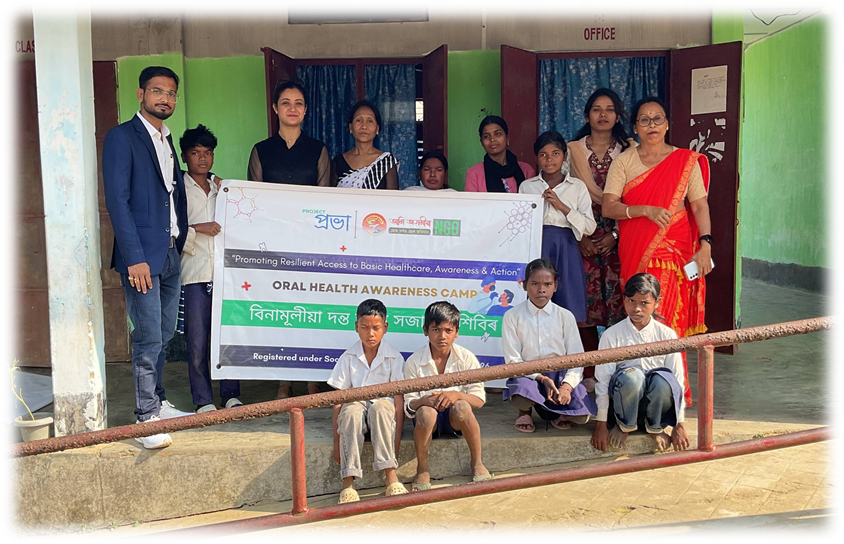
To address these issues, Ami Asomia initiated Project PRABHAA (Promoting Resilient Access to Basic Healthcare Awareness & Action) as an ongoing effort to strengthen health awareness and encourage preventive practices at the community level.
Objectives
Project PRABHAA has been designed with the following objectives:
- To promote awareness of basic healthcare and preventive practices
- To encourage healthy habits related to hygiene, nutrition, and well-being
- To support informed decision-making regarding personal and family health
- To strengthen community resilience through health education
- To complement existing healthcare systems through awareness and outreach
Key Activities & Implementation
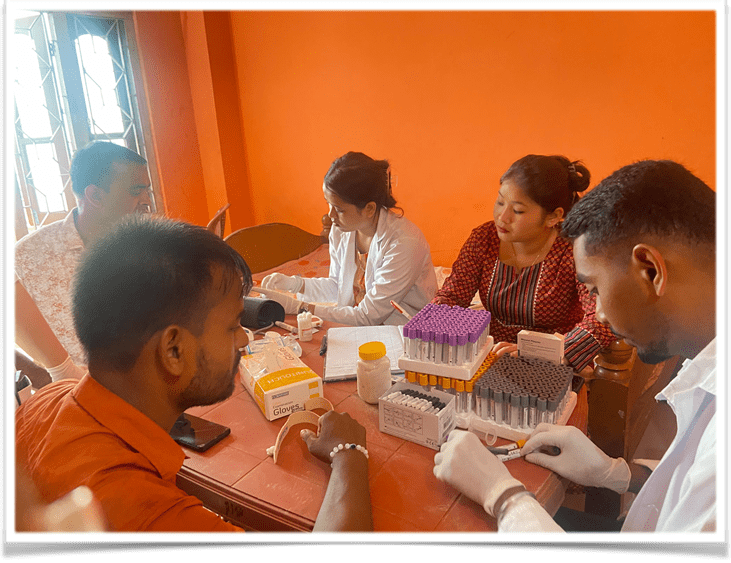
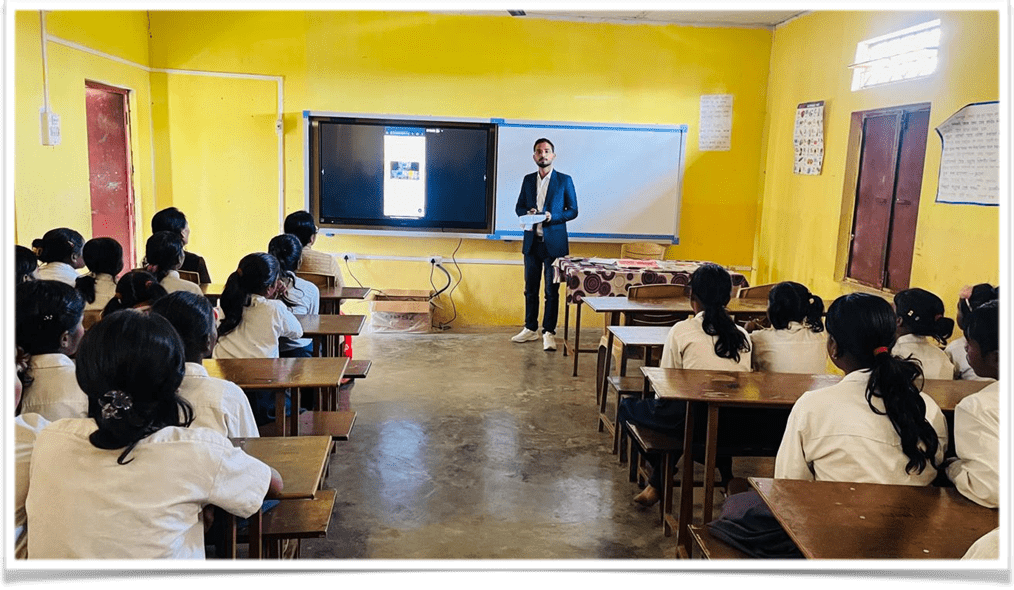
The project is implemented through structured awareness programs, interactive sessions, and community-level engagement activities. These initiatives focus on practical, easy-to-understand health information that can be applied in daily life.
Key activities include:
- Community awareness sessions on hygiene, nutrition, and preventive care
- Interactive discussions addressing common health concerns
- Distribution of informational materials to reinforce key messages
- Engagement with women, families, and local groups for sustained impact
The approach emphasises clarity, participation, and cultural sensitivity, ensuring that health messages are accessible and relevant.
Community Engagement & Participation
Community members, volunteers, and local stakeholders actively participate in Project PRABHAA. Women and caregivers play a central role in these engagements, helping translate awareness into household-level practices.
The participatory nature of the project encourages dialogue, questions, and shared learning, strengthening trust and acceptance within communities.
Outcomes & Significance
Project PRABHAA has contributed to increased awareness of basic health practices and preventive care among participating communities. By focusing on knowledge and behaviour rather than short-term interventions, the project supports long-term improvements in community health awareness.
For Ami Asomia, Project PRABHAA represents a sustained commitment to public health education and community resilience. The initiative continues to strengthen the organisation’s capacity to work in health-focused collaborations with government bodies and development partners.
9. Project JUWXITAA
Ongoing Initiative | Women Empowerment, & Social Awareness
Women often face multiple social and structural barriers that limit access to opportunities, information, and decision-making spaces. Challenges related to skill development, awareness, confidence, and social participation continue to affect women’s ability to engage fully in community and economic life. Addressing these issues requires integrated approaches that combine training, awareness, and sustained engagement.
Project JUWXITAA (Joint Upliftment for Women‘s Xcellence through Integrated Training, Awareness & Action) was initiated by Ami Asomia to create supportive spaces where women can build skills, gain awareness, and strengthen their participation in social and economic processes.
Objectives
Project JUWXITAA has been designed with the following objectives:
- To promote women empowerment through awareness and capacity building
- To enhance access to skill development and practical knowledge
- To encourage confidence, leadership, and social participation among women
- To address social issues affecting women through dialogue and learning
- To support long-term upliftment through community-based engagement
Key Activities & Implementation
The project is implemented through a combination of training sessions, awareness programs, and participatory activities. Emphasis is placed on practical learning, open discussion, and collective problem-solving.
Key activities include:
- Skill-oriented training and learning sessions for women
- Awareness programs addressing social, legal, health, and livelihood-related topics
- Interactive discussions encouraging experience-sharing and peer learning
- Community-level engagement to strengthen women’s collective participation
The implementation approach remains flexible and context-specific, ensuring relevance to local needs and realities.
Community Engagement & Participation
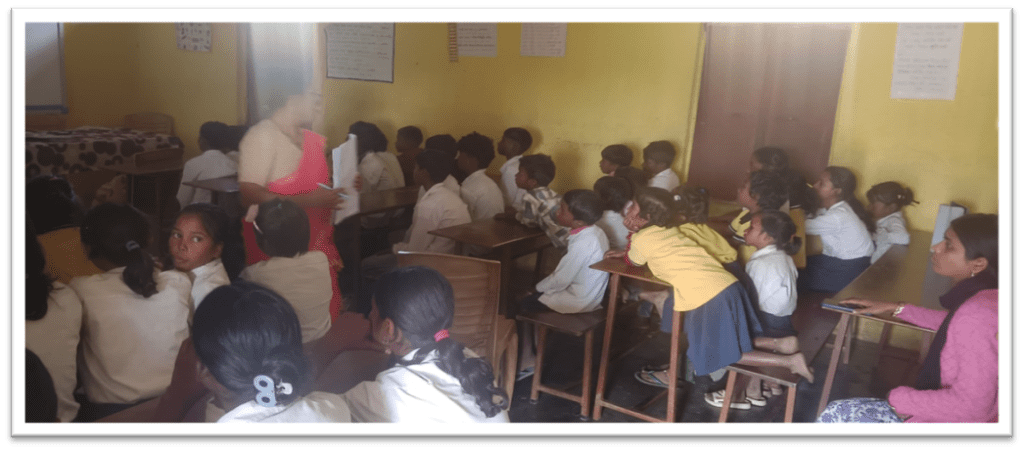
Women from diverse backgrounds actively participate in Project JUWXITAA. The initiative encourages group-based learning, creating a supportive environment where participants feel comfortable sharing experiences and ideas.
Community involvement helps reinforce the outcomes of training and awareness efforts, enabling women to apply learning within households and community settings.
Outcomes & Significance
Project JUWXITAA has contributed to improved awareness, confidence, and participation among women involved in the initiative. By integrating training with awareness and action, the project supports a holistic empowerment model rather than isolated interventions.
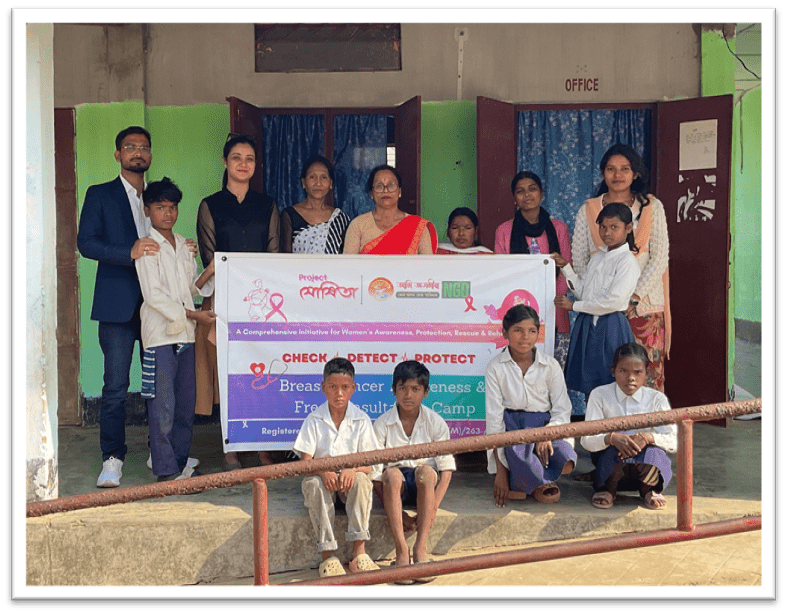
For Ami Asomia, Project JUWXITAA strengthens its role in women-centric development work and positions the organisation as a capable partner for collaborative programs focused on women empowerment, skill development, and social inclusion.